We refer to the Diana Lab as a pollution problem-solving lab: one arm of our research deepens our understanding of pollution and potential problems posed, while the other arm focuses on characterizing and evaluating solutions and strategies for pollution prevention, remediation, and management. Our overarching philosophy is that by furthering our understanding of pollution and current interventions, our work can inform evidence-based, sustainable solutions.
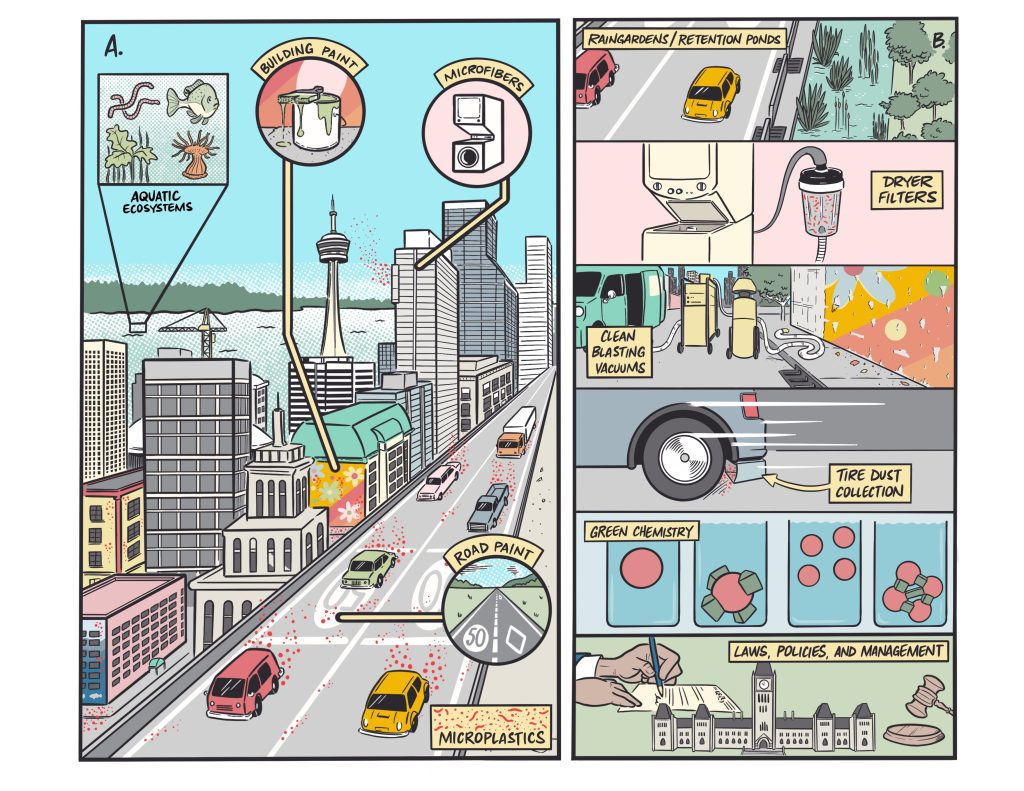
Secondary microplastics are emitted to the environment from an array of sources, though pollution control measures exist. The diagram depicts in (A) sources of secondary microplastics from the built environment, including paints on buildings, road/tire wear, and fibers that can enter the environment. These sources are highly prevalent but often forgotten. In (B), solutions to capture and/or prevent secondary microplastics are presented.
- Sources, Prevalence and Distribution of Pollution
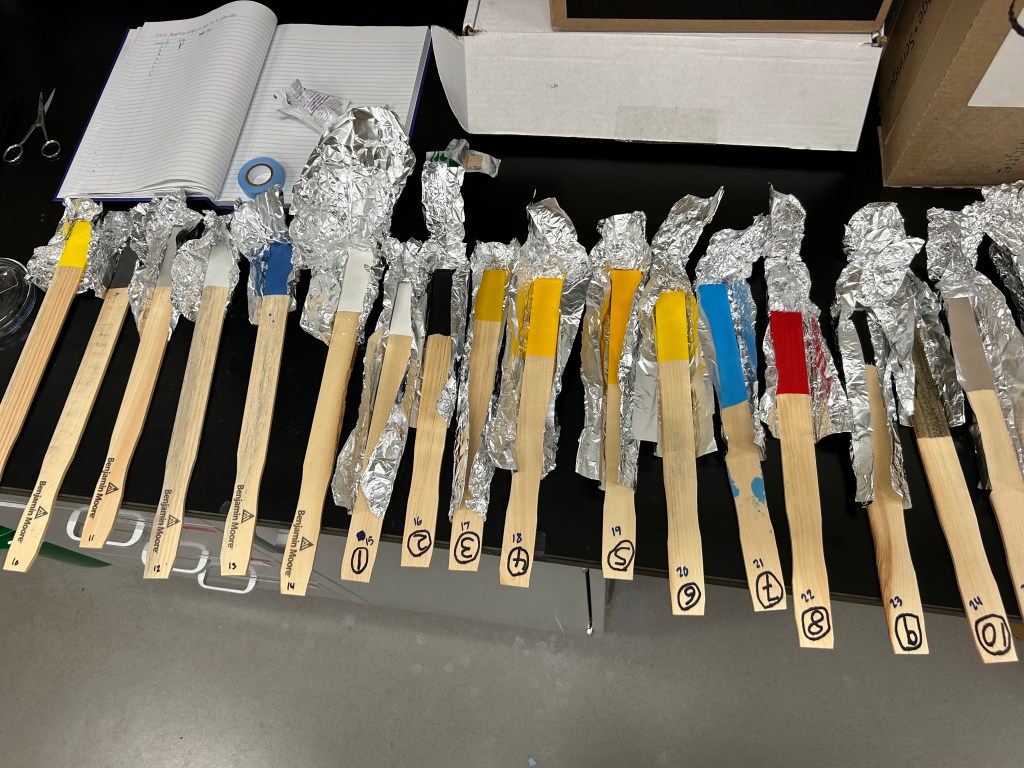
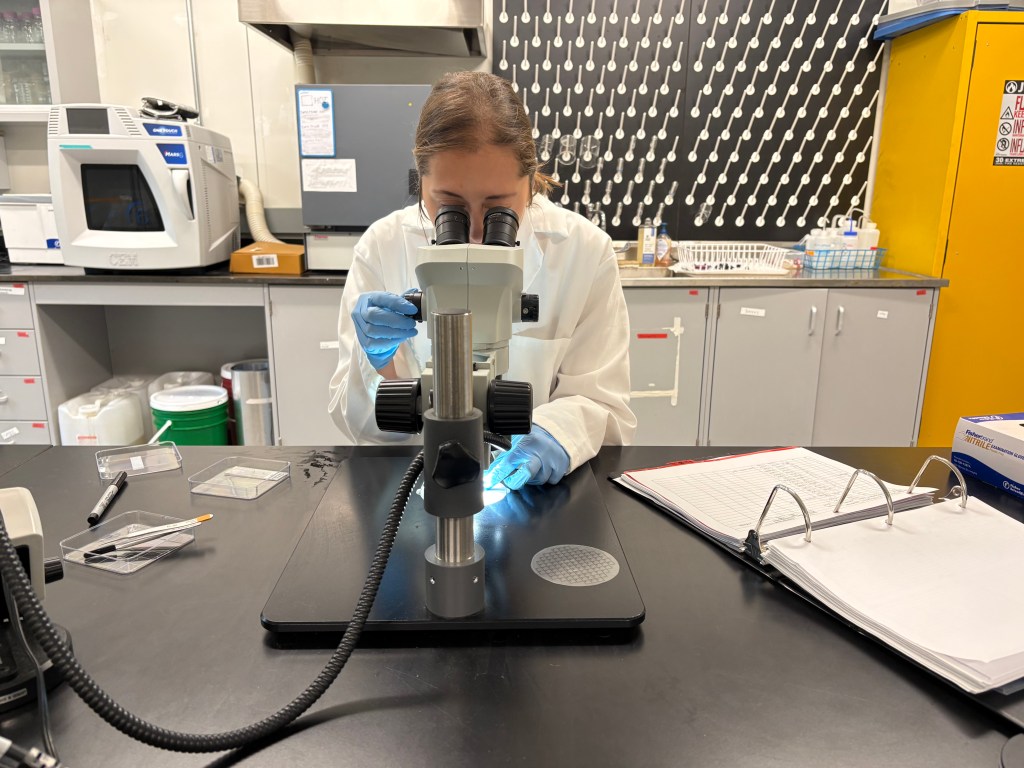
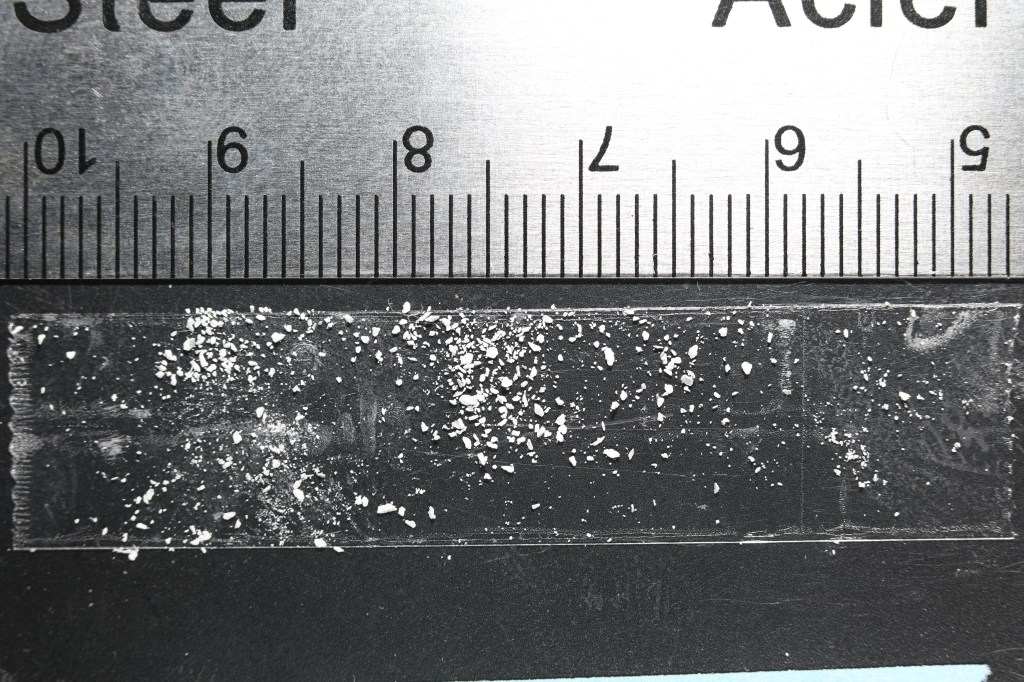
An objective of the Diana Lab is to better characterize and quantify the sources, prevalence, and distribution of macro- and microplastics in the environment. Although we are interested in a variety of sources, most of the work in the lab focuses on secondary microplastic sources (e.g., the wear-and-tear of larger plastic particles) because these are thought to be the greatest contributors to global microplastic emissions. We use a variety of methods to achieve this goal, including modeling, analytical chemistry techniques (e.g., FTIR, Raman), and field sampling. To achieve this objective, we often undertake method development tailored to specific sources of microplastics (e.g., paint, tire wear particles). We aim to provide robust estimates of environmental concentrations of microplastics across different ecosystems and matrices in NYC and beyond.
2. Environmental Health Effects
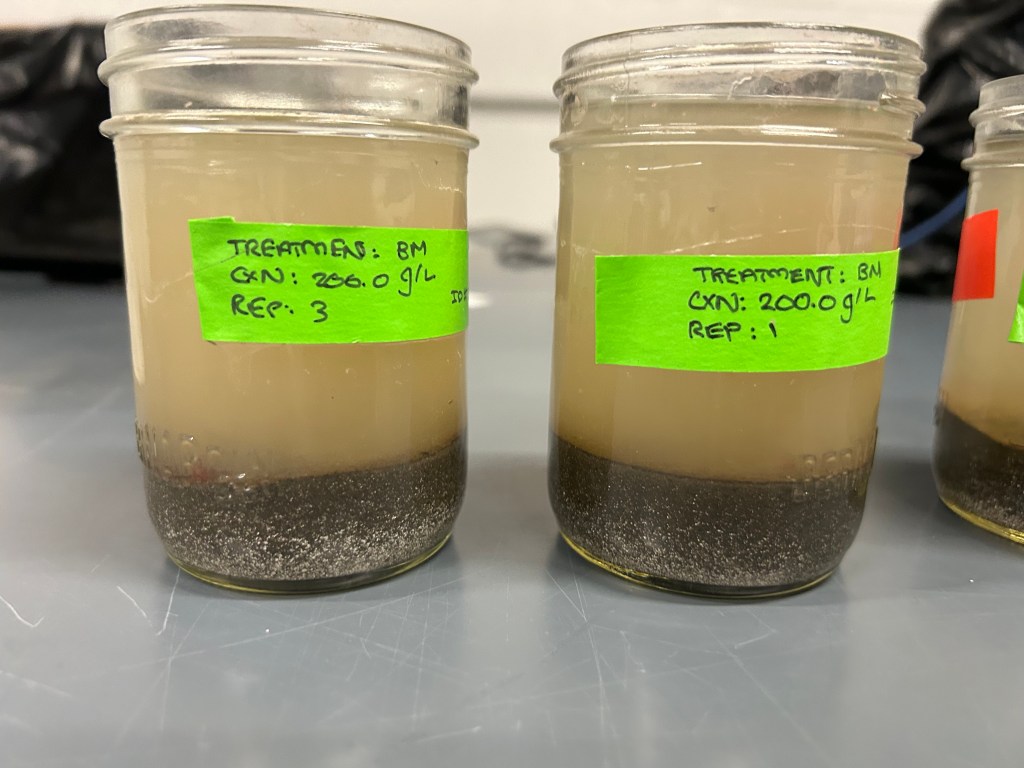
This research objective aims to improve our understanding of the environmental health effects of microplastics on aquatic animals at multiple levels of biological organization, from sub-organismal (e.g., oxidative stress, DNA damage) to population-level endpoints (e.g., survival, reproduction). The Diana Lab will maintain a culture of the aquatic invertebrate Tubifex tubifex to use in toxicity tests. We are particularly interested in toxicity tests that use environmentally relevant exposure scenarios.
3. Policy and Management
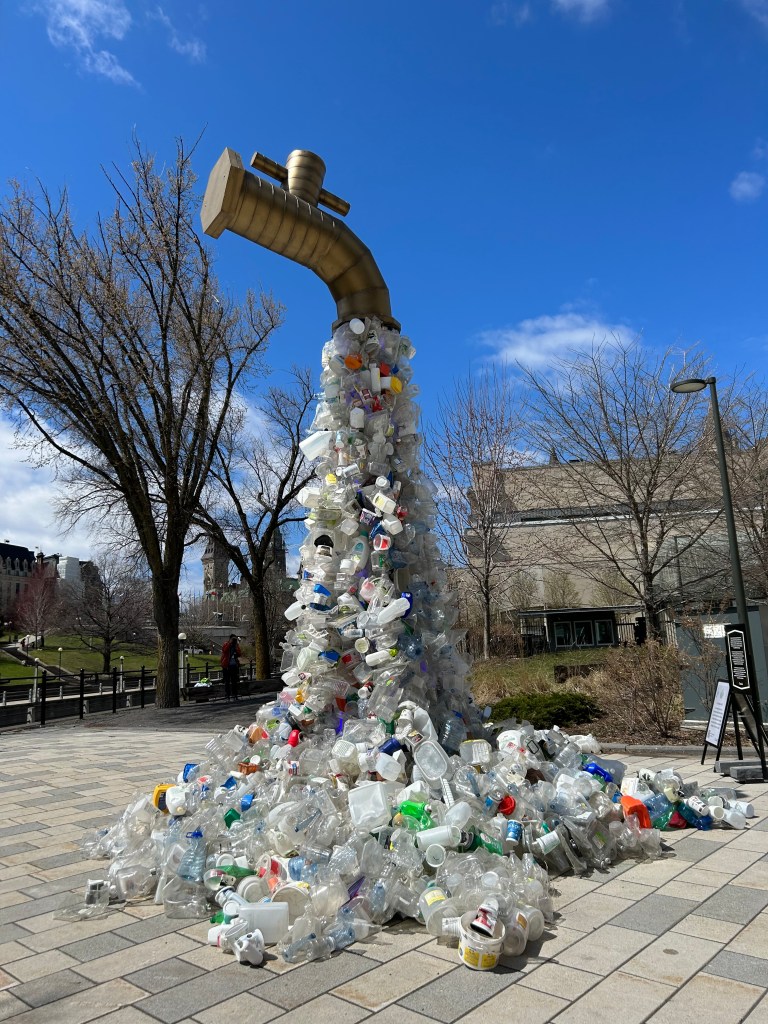
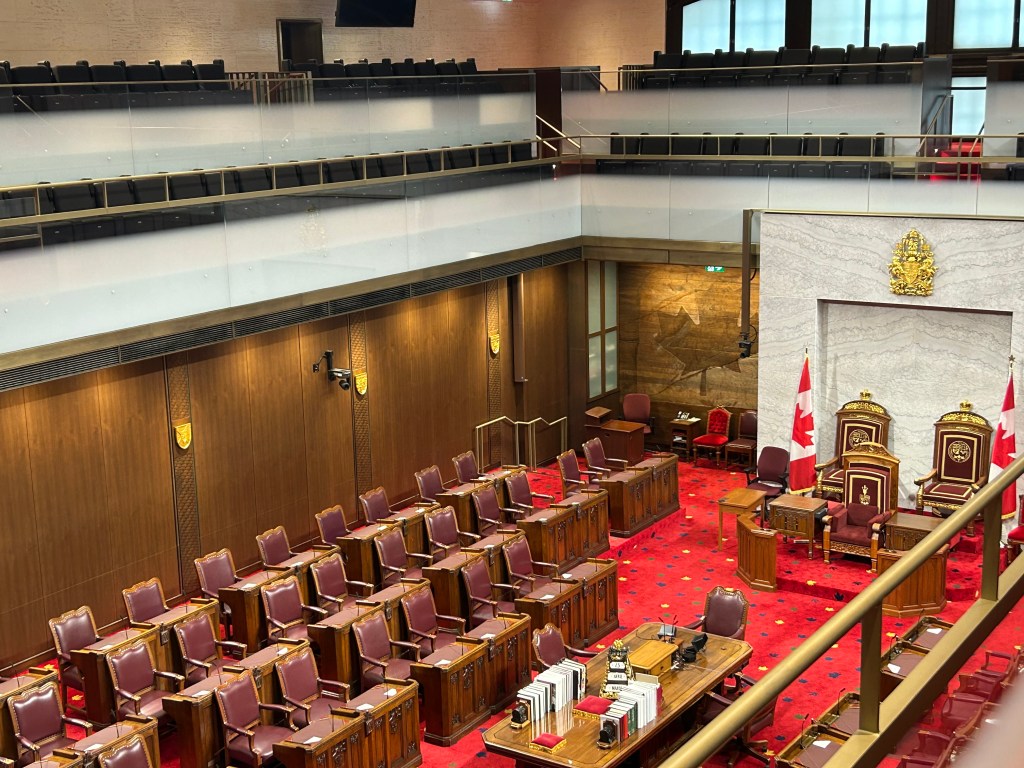

This solutions-based research aims to understand the state of responses from governments, the private sector, and communities to address plastic pollution across their lifecycle. We are interested in the policy instruments used, pollution types targeted, and what gaps remain. We primarily use qualitative analyses, social science surveys, and systematic reviews to answer these questions. We are also interested in evaluating the effectiveness of cleanup technologies, infrastructure, and best management practices in pollution prevention and mitigation.
 Diana Lab: Pollution Problem-Solving